
FAQ Category: General Passport FAQ

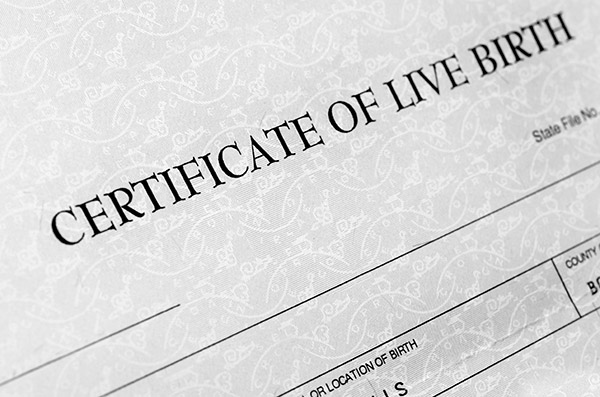
Do You Need Original Birth Certificate for Passport?

Are you planning a big trip outside the United States and need to get your passport in order? You may be wondering what exactly you need to apply for the document besides all the necessary paperwork.

One thing that is required when applying for a U.S. passport is proof of citizenship—and while most assume this means bringing in their birth certificate, other forms of documentation can serve as proof of identity if needed.

Do I Need a Copy of My Birth Certificate To Get A U.S. Passport?

No, you do not necessarily need a copy of your birth certificate to get a U.S. passport. Depending on the situation, other forms of documentation can be used to prove citizenship. Acceptable proof of identity includes naturalization certificates issued by the United States Citizenship and Immigration Services (USCIS), or Consular Reports of Birth Abroad issued by the Department of State, or Certificates of Citizenship issued by USCIS.

Related Read: How Do I Get a Duplicate Birth Certificate?

What Proof of Citizenship Do I Need to Prove Citizenship?

If you can provide any of these documents as proof of citizenship, it will suffice when applying for a U.S. passport. However, if you lack this proof and need to use your birth certificate as evidence, ensure it is an original or certified copy issued by the government agency from where you were born.

Without valid proof of citizenship, your passport application will be denied.

It’s also important to remember that even if you have one of the mentioned documents as proof of identity and citizenship, you must also present additional verification such as a driver’s license, state-issued ID card, or other government-issued photo identification.

DS-11 Application Form

Additionally, you will need to complete Form DS-11 and present it upon submission of your passport application. You must also provide a photocopy of the front and back of your current driver’s license/state ID and any other form of identification you are presenting for verification. Without all of these documents, your application will likely be denied.

In addition, you will have to possess other compensating documents that will confirm that you are truly a United States citizen. Following this paragraph is a list of documents that can help to validate your United States citizenship.

What Other Documents Will You Need to Get a Passport?

  • A letter from the Vital Statistics office in your State of birth contains the applicant’s name and the years their birth records were searched.
  • Any early public records that will help prove your birth within the United States.

On the contrary, if you were not born in the United States, and your parents did not document your birth with the United States Embassy or Consulate in the country you were born in, you might still be able to obtain a passport. The following will have to be provided:

  • A foreign birth certificate that contains the parents’ names.
  • Proof that your parents are United States citizens.
  • The marriage certificate of your parents.

Getting a U.S. passport is an exciting way to have access to countries all over the world. But in order to do so, there are certain requirements you need to meet in order to ensure a successful application process. One of these requirements is providing a copy of your birth certificate as proof of citizenship and identity.

In general, passport applicants born in the United States must present a certified copy of their birth certificate in the state where they were born when applying for a passport.

Is a Passport Card Cheaper than a Passport?

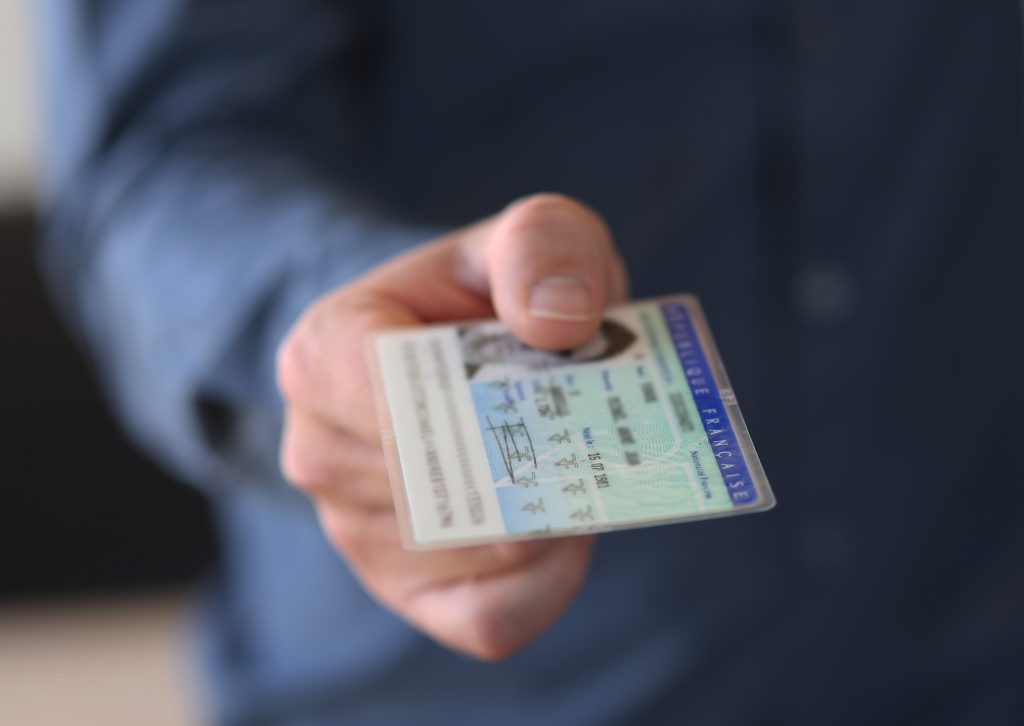
A U.S. passport card is a low-cost travel document issued by the U.S. Department of State for limited international travel. It is designed for U.S. citizens who frequently cross nearby borders by land or sea and want a cheaper alternative to a passport book.

Understanding passport card fees in 2026, including renewal costs and optional services, helps applicants avoid processing delays and unexpected charges.

What Is a U.S. Passport Card?

Passport Card

A passport card is a wallet-sized, government-issued travel document that allows U.S. citizens to enter the United States from:

  • Canada
  • Mexico
  • the Caribbean
  • Bermuda

Important: The passport card cannot be used for international air travel. Travelers flying abroad must use a passport book.

Applications are submitted at an authorized Passport Acceptance Facility or directly through a regional U.S. Passport Agency for urgent travel.

Passport Card Fees (Current Costs)

Adults (Age 16 and Older)

  • First-time passport card: $65
    • Application fee: $30
    • Execution fee: $35
  • Renewal passport card: $30
    • No execution fee for renewals

Minors (Under Age 16)

  • Passport card: $50
    • Application fee: $15
    • Execution fee: $35

Execution fees are paid separately to the acceptance facility and are non-refundable.

Optional Passport Card Fees

  • Expedited processing: $60
  • 1–2 day delivery (passport book only): Not available for passport cards
  • File search fee: $150 (if proof of citizenship is missing)

All expedited requests are processed by the U.S. Department of State, not local facilities.

How Long Does a Passport Card Take?

Processing times vary depending on demand and service level:

  • Routine service: 6–8 weeks
  • Expedited service: 2–3 weeks
  • Urgent travel: Same-day or limited-day service at a U.S. Passport Agency (appointment required)

Timelines begin once the application is officially received, not when it is mailed.

Can You Apply for a Passport Card and Book Together?

Yes. Many applicants choose to apply for both at the same time to save on execution fees.

Combined adult fees:

  • Passport book + passport card (first-time): $195
  • Passport book + passport card (renewal): $160

This option provides maximum flexibility for both air and land travel.

Where Can a Passport Card Be Used?

The passport card is valid for:

  • Land border crossings
  • Sea travel on closed-loop cruises

It is not valid for:

  • International flights
  • Travel to countries outside approved regions

Travelers unsure about entry requirements should confirm with the U.S. Department of State before departure.

Frequently Asked Questions

How much does a U.S. passport card cost in total?

For adults, the total cost is $65 for first-time applicants and $30 for renewals. For minors, the total cost is $50.

Is the passport card cheaper than a passport book?

Yes. The passport card costs significantly less but has limited travel use compared to a passport book.

Can I use a passport card to fly internationally?

No. Passport cards are not valid for international air travel.

Do passport card fees change often?

Fees are set by the U.S. Department of State and change infrequently. Applicants should verify current fees before applying.

Where do I pay the passport card fees?

Application fees are paid to the U.S. Department of State, while execution fees are paid directly to the passport acceptance facility.

Passport Offices vs Regional Passport Agency: What’s the Difference?

If you’re applying for a U.S. passport, one of the most confusing parts is knowing where to apply. Many people see options like passport offices, acceptance facilities, and regional passport agencies—and assume they all do the same thing. They don’t.

Understanding the difference between passport offices and a regional passport agency can save you time, money, and serious stress—especially if you’re traveling soon.

What Are Passport Offices?

Passport offices—also known as passport acceptance facilities—are locations authorized to accept passport applications and supporting documents. They do not process or issue passports on site.

Most passport offices are operated by the United States Postal Service, along with local government buildings such as county clerk offices, libraries, and municipal offices.

What Passport Offices Can Do

  • Accept new passport applications
  • Verify identity and citizenship documents
  • Witness and seal applications
  • Collect passport fees
  • Forward applications to the processing center

What Passport Offices Cannot Do

  • Issue passports same day
  • Expedite applications beyond standard or paid expedited service
  • Handle emergency travel within days

Passport offices are best for routine passport needs when travel is not imminent.


What Is a Regional Passport Agency?

A Regional Passport Agency is a federal facility operated directly by the U.S. Department of State. These agencies process and issue passports on site, including same-day service in urgent situations.

Regional passport agencies exist only in select major cities and are designed for travelers who need a passport very quickly.

What a Regional Passport Agency Can Do

  • Process passports same day or within 72 hours
  • Handle emergency travel cases
  • Issue passports for urgent international travel
  • Resolve complex passport issues (lost, damaged, name changes)

Requirements to Use a Regional Passport Agency

  • Proof of international travel within 14 days (or 72 hours for emergencies)
  • Appointment required
  • Limited availability and high demand

Passport Offices vs Regional Passport Agency: Side-by-Side Comparison

FeaturePassport OfficesRegional Passport Agency
Operated ByUSPS / Local GovU.S. Department of State
Processes Passport On-Site❌ No✅ Yes
Same-Day Passport❌ No✅ Yes
Appointment RequiredSometimesAlways
Emergency Travel Support❌ No✅ Yes
Best ForRoutine applicationsUrgent or emergency travel

Which One Should You Choose?

Choose a Passport Office If:

  • You’re applying for a passport well in advance
  • Your travel is more than 6–8 weeks away
  • You don’t need same-day service
  • You’re submitting a standard first-time application

Choose a Regional Passport Agency If:

  • You’re traveling within 14 days
  • You need a passport within 72 hours
  • Your passport was lost, stolen, or damaged close to travel
  • You have urgent international travel due to emergencies

Can Passport Offices Expedite Applications?

Yes—but with limits.

Passport offices can accept expedited service requests, but they do not speed up processing themselves. Your application is still mailed to a processing center. Even expedited service typically takes 2–3 weeks, depending on demand.

If you need a passport faster than that, a regional passport agency is the only reliable option.


Why Many Applications Get Delayed

Common issues include:

  • Going to a passport office when urgent travel requires a regional agency
  • Not realizing appointments are mandatory at agencies
  • Missing proof of travel
  • Confusing acceptance facilities with processing agencies

Understanding the difference upfront helps avoid rejected appointments and last-minute panic.


Frequently Asked Questions (FAQ)

Are passport offices and regional passport agencies the same?

No. Passport offices accept applications only, while regional passport agencies process and issue passports on site.

Can I walk into a regional passport agency without an appointment?

No. Appointments are required and must be scheduled in advance.

Does USPS issue passports?

No. The United States Postal Service only accepts applications—it does not issue passports.

Can I get a same-day passport at a passport office?

No. Same-day passports are only available at a regional passport agency.

Which is faster: passport office or regional agency?

A regional passport agency is significantly faster and may issue a passport the same day if you qualify.


Passport Offices vs Regional Passport Agency

  • Passport offices are ideal for routine applications with no urgent travel.
  • Regional passport agencies are designed for travelers who need passports fast—sometimes the same day.
  • Choosing the wrong option can result in serious delays or missed travel.

Knowing the difference ensures you apply at the right place, at the right time.

What is a Passport Acceptance Facility? Complete Guide for U.S. Passport Applicants

If you’re applying for a U.S. passport for the first time—or for a child—you’ll likely need to visit a passport acceptance facility. Many travelers search for a passport acceptance facility near me or the closest passport acceptance facility, especially when time is limited.

Key Takeaway

A passport acceptance facility is the starting point for most first-time and child passport applications. Whether you’re searching for a USPS passport acceptance facility near me, a county clerk passport acceptance facility, or a library passport acceptance facility near me, knowing what these locations do—and what they don’t do—can save you time and frustration.

What Is a Passport Acceptance Facility?

A passport acceptance facility is an authorized location designated by the U.S. Department of State to accept passport applications on behalf of the U.S. government.

These facilities do not issue passports on the spot. Instead, they:

  • Verify your identity
  • Review your documents
  • Witness your signature
  • Accept your passport application
  • Forward your application for processing

Who Must Use a Passport Acceptance Facility?

You must apply at a passport acceptance facility if you are:

  • Applying for your first U.S. passport
  • Under age 16
  • Replacing a lost, stolen, or damaged passport
  • Ineligible to renew by mail

If you qualify for mail renewal, you generally do not need an acceptance facility.

What Happens at a Passport Acceptance Facility?

At your appointment, a passport acceptance agent will:

  1. Review your completed DS-11 passport application
  2. Examine your proof of citizenship and ID
  3. Make certified copies of required documents
  4. Witness your signature
  5. Collect applicable acceptance fees
  6. Send your application to the passport processing center

Processing times begin after the application is accepted.

Passport Acceptance FacilityPassport Agency
Accepts applicationsProcesses and issues passports
No same-day serviceSame-day or urgent service
Local locationsLimited regional offices
For routine & expeditedFor urgent travel only
Acceptance facilities cannot issue passports the same day.

Where Can You Find a Passport Acceptance Facility Near You?

Many people search for:

  • passport acceptance facility near me
  • closest passport acceptance facility
  • passport acceptance facility open now

Common locations include:

USPS Passport Acceptance Facility

A United States Postal Service passport acceptance facility is the most common option.

Searches often include:

  • USPS passport acceptance facility near me
  • passport acceptance facility hours today

Many USPS locations require appointments.

County Clerk Passport Acceptance Facility

A county clerk passport acceptance facility is often located in county offices or courthouses. These locations may offer more appointment availability than post offices.

Library Passport Acceptance Facility

Some public libraries serve as acceptance facilities. Searches such as library passport acceptance facility near me are increasingly popular, especially in larger cities.

Other Authorized Locations

  • City or town halls
  • Universities
  • Local government offices

Availability and hours vary by location.

Passport Acceptance Facility Hours & Weekend Availability

One of the most common questions is:

Which passport acceptance facilities are open on Saturday?

  • Some USPS and county clerk locations offer Saturday hours
  • Library and municipal locations often have weekday-only hours
  • Not all facilities are open daily

Always confirm passport acceptance facility hours today before visiting.

Do Passport Acceptance Facilities Take Walk-Ins?

Some do—but many require appointments, especially USPS locations.

If you’re searching for a passport acceptance facility open now, availability depends on:

  • Location
  • Staffing
  • Day of the week

Appointments are strongly recommended to avoid delays.

What Fees Are Paid at a Passport Acceptance Facility?

You typically pay:

  • A passport application fee (paid to the U.S. Department of State)
  • An acceptance fee (paid to the facility)

Payment methods vary by location.

Can You Expedite a Passport at an Acceptance Facility?

Yes. Acceptance facilities can submit expedited passport applications, but they do not speed up processing on-site.

For same-day passports, you must visit a passport agency, not an acceptance facility.

Frequently Asked Questions

What does a passport acceptance facility do?

A passport acceptance facility verifies your identity, reviews your documents, witnesses your signature, and submits your passport application for processing.

Is a passport acceptance facility the same as USPS?

USPS is one type of passport acceptance facility, but not the only one. County clerks, libraries, and government offices may also serve this role.

Can I apply for a passport at a library?

Yes, some libraries operate as authorized passport acceptance facilities.

Are passport acceptance facilities open on Saturdays?

Some are. Availability depends on location. Always check hours in advance.

Can I get a same-day passport at an acceptance facility?

No. Same-day passports are issued only at passport agencies for urgent travel.

What Is a K-1 Visa? (Fiancé(e) Visa Explained for U.S. Citizens)

A K-1 visa, also known as the fiancé(e) visa, allows a foreign fiancé(e) of a U.S. citizen to enter the United States for the purpose of marriage. Once admitted, the couple must legally marry within 90 days, after which the foreign spouse can apply for lawful permanent residence (a green card).

The K-1 visa is designed to keep couples together while completing the U.S. immigration process and is regulated by U.S. Citizenship and Immigration Services and the U.S. Department of State.

Answer

A K-1 visa allows a foreign fiancé(e) of a U.S. citizen to enter the U.S. for 90 days to get married. After marriage, the foreign spouse can apply for a green card without leaving the United States.

Who Is Eligible for a K-1 Visa?

To qualify for a K-1 visa, all of the following must be true:

  • The petitioner is a U.S. citizen (green card holders are not eligible)
  • Both partners are legally free to marry
  • The couple intends to marry within 90 days of U.S. entry
  • The couple has met in person at least once in the past 2 years
    (limited waivers exist for cultural or extreme hardship reasons)

How the K-1 Visa Process Works (Step-by-Step)

1. File the Petition

The U.S. citizen files Form I-129F with USCIS to establish a legitimate relationship.

2. USCIS Review

USCIS reviews the petition for eligibility, fraud prevention, and relationship evidence.

3. National Visa Center (NVC)

Once approved, the case is forwarded to the U.S. embassy or consulate abroad.

4. Visa Application & Interview

The foreign fiancé(e) completes DS-160, attends a medical exam, and appears for an in-person interview.

5. Entry to the United States

If approved, the fiancé(e) enters the U.S. and the 90-day marriage clock begins.

6. Marriage & Adjustment of Status

After marriage, the foreign spouse applies for a green card through Adjustment of Status (Form I-485).

How Long Does a K-1 Visa Take in 2026?

Typical processing times range from 8 to 14 months, depending on:

  • USCIS workload
  • Embassy interview backlogs
  • Country-specific security checks
  • Completeness of documentation

K-1 Visa vs. Spousal Visa (CR-1 / IR-1)

FeatureK-1 Fiancé(e) VisaSpousal Visa
Marriage locationU.S.Outside U.S.
Entry statusNonimmigrantImmigrant
Time to live togetherFasterSlower
Green card on entryNoYes
Adjustment of StatusRequiredNot required
Tip: The K-1 visa is often chosen when couples want to marry in the U.S. quickly, while spousal visas are preferred for lower long-term costs.

Financial Requirements for a K-1 Visa

The U.S. citizen sponsor must meet minimum income requirements (generally 100% of the Federal Poverty Guidelines at the K-1 stage and 125% during Adjustment of Status).

If income is insufficient, a joint sponsor may be required later.

Common Reasons K-1 Visas Are Delayed or Denied

  • Insufficient relationship evidence
  • Prior immigration violations
  • Criminal history
  • Inconsistent interview answers
  • Missing documents
  • Suspected marriage fraud

What Happens If You Don’t Marry Within 90 Days?

If the marriage does not occur within 90 days:

  • The foreign fiancé(e) must leave the U.S.
  • The visa cannot be extended
  • Adjustment of Status is not allowed
  • Overstay may cause future immigration bans

Can You Work or Travel on a K-1 Visa?

  • Work: Only after receiving work authorization (EAD)
  • Travel: Leaving the U.S. before Advance Parole is approved may cancel the process

Is the K-1 Visa Right for You?

The K-1 visa is best if:

  • You want to marry in the United States
  • You prefer to start life together sooner
  • You are prepared for additional paperwork after marriage

Frequently Asked Questions

What is a K-1 visa used for?

A K-1 visa allows a foreign fiancé(e) of a U.S. citizen to enter the U.S. to get married within 90 days.

How long can you stay on a K-1 visa?

You can stay 90 days. Marriage must occur within that time.

Can a K-1 visa holder get a green card?

Yes. After marriage, the foreign spouse can apply for a green card through Adjustment of Status.

Can children come on a K-1 visa?

Yes. Eligible children may receive K-2 visas.

Is a lawyer required for a K-1 visa?

No, but legal assistance can help avoid delays or denials.

Acceptance Facilities – Is there any way that I can get a list of Passport Application Acceptance Facilities?

Passport Frequently Asked Questions and AnswersQuestion:  Is there any way that I can get a list of Passport Application Acceptance Facilities? I would like to know which facilities I live closest too.

Answer:  A passport application acceptance facility will not be too difficult to find if you have the proper tools. At US Passport Help Guide , there is an abundance of information pertaining to locations of passport application acceptance facilities, passport agencies, and embassies and consulates.

If you are in need of your passport services in a hurry, then you should visit your local passport agency. At the passport agency, they can process your passport needs and passport services very fast. Faster than a passport application acceptance facility. A faster process will lead to a quicker turn around to get a passport.

On the other hand, if you are not in a hurry, you can mail your documents in for passport services. First, you will need to check if you are eligible to mail your passport documents for passport services. This is a very convenient way to handle your passport services if time is on your side. We recommend that you use a tracking mailing system. This way you will know exactly where your documents are and when exactly they arrive to their destination.

USPS priority mail is an ideal service to use to mail your passport documents. In addition, it is also advise to use a Tyvek envelope. A Tyvek envelope protects the documents from undesirable weather conditions.

Therefore, with all the options available to find a facility, it will make starting your passport application process easy and quick. Just keep in mind whichever choice you make to process your application, the cost will be different.

What Happens if You Change Your Name?

Changing your name—whether due to marriage, divorce, court order, or personal choice—can affect your passport, travel plans, and legal identification. If your passport name doesn’t match your current legal name, you may face airline issues, denied boarding, or delays at border control.

Answer

If you change your name, your passport does not update automatically.
You must apply for a passport name change using official documents before traveling under your new name.

Does a Name Change Affect Your Passport?

Yes. Your passport is only valid in the exact legal name printed on it.

Airlines, immigration officers, and border systems compare:

  • Your passport name
  • Your airline ticket
  • Your legal identification

If the names do not match, you may be denied boarding or entry.

Who Regulates Passport Name Changes?

All U.S. passport name changes are handled by the U.S. Department of State, which requires proof that your new name is legally recognized.

Common Reasons People Change Their Name

  • Marriage
  • Divorce
  • Court-ordered legal name change
  • Gender identity update
  • Personal or cultural reasons

Each reason has specific documentation requirements.

When You MUST Update Your Passport Name

You must update your passport if:

  • Your legal name has changed
  • Your airline ticket will be issued in your new name
  • You plan to travel internationally

You do not need to update your passport if you continue to travel under your old legal name and your documents still match—but this is uncommon long term.

What Documents Prove a Legal Name Change?

Acceptable proof includes:

  • Marriage certificate
  • Divorce decree showing name change
  • Court order for name change
  • Amended birth certificate

Photocopies are usually accepted, but some situations require originals.

How to Change Your Name on a U.S. Passport

The process depends on how long you’ve had your passport.

Passport Issued Less Than 1 Year Ago

  • Use Form DS-5504
  • No government fee (unless expedited)
  • Submit:

Passport Issued More Than 1 Year Ago

  • Use Form DS-82 (renewal by mail) if eligible
  • Pay standard renewal fee
  • Submit:

Not Eligible to Renew by Mail

You must apply in person using Form DS-11 if:

  • You don’t have acceptable proof
  • Your passport is damaged or lost
  • You’re otherwise ineligible for mail renewal

How Long Does a Passport Name Change Take?

Typical processing times:

  • Routine service: 6–8 weeks
  • Expedited service: 2–3 weeks
  • Urgent travel: Same-day service at a passport agency (appointment required)

Can You Travel While Your Name Change Is Pending?

Yes—but only if:

  • Your ticket matches your current passport name
  • You have not started using your new name for travel

Once you apply for a name change, avoid booking travel until the new passport is issued.

Name Change and International Visas

If your old passport contained visas:

  • Some visas remain valid if carried with your new passport
  • Other visas must be reissued by the foreign embassy

Always verify visa transfer rules before traveling.

Common Name Change Mistakes to Avoid

  • Booking flights before updating your passport
  • Using nicknames or informal names
  • Assuming marriage automatically updates documents
  • Waiting until right before travel

What Happens if You Change Your Name?

  • Your passport does not update automatically
  • Your travel documents must match
  • You must apply for a passport name change
  • Processing time varies by eligibility and urgency

Updating your passport early prevents travel disruption.

Frequently Asked Questions

What happens if I change my name after getting a passport?

Your passport remains valid only in the old name. You must apply for a name change to travel under your new legal name.

Do I need to change my passport after marriage?

Yes, if you plan to travel using your married name.

Can I travel with my old passport after a name change?

Only if your airline ticket matches the name on your passport.

How much does a passport name change cost?

It may be free if your passport is less than one year old. Otherwise, standard renewal fees apply.

How long does a passport name change take?

Routine processing takes 6–8 weeks; expedited service is faster.

What Happens if Your Passport Gets Stolen on a Trip?

Losing your passport abroad can be stressful—but it’s a manageable situation if you act quickly. If your passport is stolen while traveling, there are clear steps to protect yourself, replace your passport, and continue your trip or return home safely.

Answer

If your passport is stolen while traveling:

  1. Report the theft to local police
  2. Report it lost or stolen to the U.S. Department of State
  3. Visit a U.S. embassy or consulate to get a replacement passport
  4. Continue or return home using an emergency or full-validity passport

Step 1: Report the Passport Theft Immediately

As soon as you discover your passport is missing:

File a Local Police Report

  • Report the theft to local authorities
  • Request a police report or case number
  • This helps with identity protection and embassy processing

Why This Matters

  • Confirms the passport was stolen (not sold or misused)
  • Supports your replacement application
  • May be required for insurance claims

Step 2: Report the Stolen Passport to the U.S. Government

You must notify the U.S. Department of State so the stolen passport is cancelled and cannot be used fraudulently.

How to Report

  • Complete Form DS-64 (Lost or Stolen Passport)
  • Submit online or in person at an embassy or consulate

Once reported, the stolen passport becomes permanently invalid.

Step 3: Visit a U.S. Embassy or Consulate

To replace your passport abroad, you must appear in person at a U.S. Embassy or U.S. Consulate.

What to Bring

  • Police report (if available)
  • Government-issued photo ID (if available)
  • Passport photo (some embassies can assist)
  • Travel itinerary or proof of travel
  • Form DS-11 (passport application)
  • Form DS-64 (lost/stolen report)

Embassy staff will guide you through the process.

Step 4: Receive a Replacement Passport

Depending on your situation, you may receive one of two passport types:

Emergency (Limited-Validity) Passport

  • Issued same day or within 1–2 business days
  • Allows immediate travel
  • Often valid for a short period

Full-Validity Passport

  • Issued when time allows
  • Usually takes a few days to a week
  • Valid for the standard passport term

If you receive an emergency passport, you can usually exchange it for a full-validity passport later.

Can You Still Travel Without a Passport?

No. Airlines and border authorities require a valid passport.

However, embassies can issue:

  • Emergency passports
  • Emergency travel letters (limited situations)

These documents allow you to:

  • Return to the United States
  • Continue onward travel in some cases

What If Your Passport Was Stolen With a Visa?

If your passport contained visas:

  • You must replace the passport first
  • Then contact the issuing country’s embassy to replace the visa
  • Some visas cannot be transferred and must be reissued

This may affect your travel plans.

How Long Does It Take to Replace a Stolen Passport Abroad?

  • Emergency passport: Same day to 2 business days
  • Full-validity passport: Several days to 1 week (varies by country)

Timing depends on:

  • Your travel urgency
  • Embassy workload
  • Availability of documents

Will a Stolen Passport Affect Future Travel?

Usually, no—as long as you report it promptly.

However:

  • Frequent passport losses may trigger additional scrutiny
  • Identity theft may require monitoring
  • Some countries may ask questions at future border crossings

How to Protect Yourself After a Passport Theft

  • Monitor credit and identity reports
  • Replace stolen IDs and cards
  • Keep copies of your passport in the future
  • Use hotel safes and anti-theft bags

What Happens if Your Passport Gets Stolen?

  • Your passport is cancelled immediately
  • You must apply in person at a U.S. embassy or consulate
  • Emergency replacement is usually fast
  • Travel can continue with proper documentation

Preparation and quick action make all the difference.

Frequently Asked Questions

What should I do first if my passport is stolen abroad?

Report the theft to local police and then report the stolen passport to the U.S. Department of State.

Can I fly home without a passport?

Not normally. You must obtain an emergency passport or travel document from a U.S. embassy or consulate.

How much does it cost to replace a stolen passport?

Fees are generally the same as a regular passport unless waived in special circumstances.

Will my stolen passport still work?

No. Once reported, it is cancelled and cannot be used.

Can I replace a stolen passport on the same day?

Yes, many embassies can issue an emergency passport the same day.

What Are the Different Types of Passports in the United States?

If you’re applying for a U.S. passport, you may not realize that there are several different types of passports in the United States, each designed for a specific purpose. Choosing the correct passport type is important, as some are limited to certain kinds of travel or official duties.

Answer

The United States issues five main types of passports:

  1. Regular (Tourist) Passport
  2. Passport Card
  3. Official Passport
  4. Diplomatic Passport
  5. Service / No-Fee Passport

Most travelers only qualify for a regular passport book or passport card.

Who Issues U.S. Passports?

All U.S. passports are issued and regulated by the U.S. Department of State. Passport eligibility, appearance, and use are governed by federal law and international agreements.

1. Regular (Tourist) Passport Book

The regular passport book is the most common type of U.S. passport.

Who It’s For

  • U.S. citizens traveling internationally for:
    • Tourism
    • Business
    • Study
    • Family visits

Key Features

  • Blue cover
  • Valid for 10 years (adults) or 5 years (children)
  • Required for international air travel
  • Accepted worldwide

This is the passport most people mean when they say “U.S. passport.”

2. U.S. Passport Card

The passport card is a wallet-sized alternative to the passport book with limited use.

Where It Can Be Used

  • Land and sea travel to:
    • Canada
    • Mexico
    • Caribbean
    • Bermuda

Limitations

  • Not valid for international air travel
  • Not accepted for most international destinations

Who Should Get a Passport Card?

  • Frequent land-border travelers
  • Cruise travelers on closed-loop cruises
  • Travelers who want a backup ID

Many travelers choose to carry both a passport book and a passport card.

3. Official Passport

An official passport is issued to U.S. government employees traveling on official government business.

Who Qualifies

  • Federal employees
  • Members of Congress
  • Certain state or local officials
  • Military members on official duty

Important Notes

  • Cannot be used for personal travel
  • Issued only for the duration of official duties
  • Must be returned when no longer needed

4. Diplomatic Passport

A diplomatic passport is reserved for high-level U.S. officials representing the United States abroad.

Who Receives One

  • U.S. ambassadors
  • Diplomats
  • Senior government officials on diplomatic missions

Special Privileges

  • Issued under international diplomatic agreements
  • Subject to host-country recognition
  • Still subject to local laws

Diplomatic passports do not exempt holders from legal responsibility abroad.

5. Service / No-Fee Passport

A no-fee passport is issued for specific government-related travel without a passport fee.

Examples

  • Military dependents traveling overseas
  • Peace Corps volunteers
  • Government contractors (in limited cases)

Restrictions

  • Valid only for the authorized purpose
  • Cannot replace a personal passport for leisure travel
Passport TypeWho It’s ForValid for Air TravelValidity
Regular Passport BookGeneral publicYes10 yrs (adult)
Passport CardLimited border travelNo10 yrs (adult)
Official PassportGovernment businessYesLimited
Diplomatic PassportDiplomatsYesLimited
No-Fee PassportSpecial government travelYesLimited

Can You Hold More Than One U.S. Passport?

Yes. Some individuals may qualify for:

  • A regular passport and
  • An official or diplomatic passport

These passports must be used only for their intended purpose.

Which U.S. Passport Should You Apply For?

  • Most travelers → Regular passport book
  • Land/sea border travel only → Passport card
  • Government duty → Official, diplomatic, or no-fee passport

If you’re traveling internationally by air, you need a passport book.

Common Passport Misconceptions

  • A passport card works for flights → False
  • Diplomatic passports avoid laws → False
  • No-fee passports can be used for vacation → False

Understanding passport limitations prevents costly travel mistakes.

Frequently Asked Questions

What are the different types of U.S. passports?

The U.S. issues regular passport books, passport cards, official passports, diplomatic passports, and no-fee passports.

What is the most common U.S. passport?

The regular (tourist) passport book is the most commonly issued passport.

Can civilians get a diplomatic passport?

No. Diplomatic passports are issued only to authorized government officials.

Is a passport card better than a passport book?

No. A passport card is more limited and cannot be used for international flights.

Can I have both a passport book and a passport card?

Yes. Many travelers choose to carry both.