Month: July 2019

Rules for Pets While Traveling — Complete Guide to Traveling With a Pet

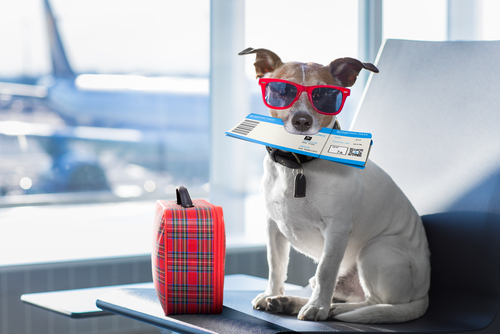
Traveling with a pet requires planning, updated paperwork, and understanding airline and destination rules before departure. Whether you are flying domestically, taking a road trip, going on a cruise, or traveling internationally, pet travel requirements can vary depending on the airline, country, and type of animal.

Dogs and cats are the most common pets travelers bring on trips, but many destinations have strict health, vaccination, and quarantine rules that pet owners must follow.

Basic Pet Travel Requirements

Before traveling with a pet, most airlines and countries require:

  • Current rabies vaccination
  • Health certificate from a veterinarian
  • Proper pet carrier or crate
  • Identification tags and microchip
  • Airline-approved travel arrangements
  • Import permits for some countries

For international pet travel, many countries also require a USDA-endorsed health certificate and additional vaccinations or blood tests.

Traveling With Pets by Air

Airlines have different rules for pets traveling in the cabin or cargo area. Most airlines allow small dogs and cats to travel in an airline-approved carrier under the seat in front of the passenger.

Common airline pet travel rules include:

  • Pets must fit inside an approved carrier
  • Carrier must allow ventilation and movement
  • Pets usually must remain inside the carrier during the flight
  • Breed restrictions may apply
  • Temperature restrictions may apply during hot or cold weather

Some airlines limit the number of pets allowed per flight. Travelers should contact the airline before booking tickets.

International Pet Travel Rules

International pet travel is more complicated than domestic travel. Many countries require:

  • Microchip implantation
  • Rabies vaccination
  • Veterinary inspection
  • USDA-endorsed health certificate
  • Import permit
  • Quarantine in some cases

Some countries require paperwork months before departure, especially for destinations with strict biosecurity laws like Australia and New Zealand.

Traveling With Dogs Into the United States

The CDC has updated dog importation rules for travelers entering the United States with dogs.

Current requirements may include:

  • CDC Dog Import Form receipt
  • Microchip
  • Rabies vaccination documentation
  • Additional paperwork for dogs from high-risk rabies countries

Dogs entering the U.S. must generally be at least 6 months old and appear healthy upon arrival.

Dogs coming from countries considered high-risk for rabies may need extra documentation and entry through approved airports.

Traveling With Pets by Car

Road trips with pets are usually easier than air travel, but pet owners should still prepare properly.

Important pet travel tips include:

  • Use a pet seatbelt or travel carrier
  • Bring food, water, and medications
  • Stop frequently for bathroom breaks
  • Never leave pets inside a hot vehicle
  • Carry vaccination records while crossing borders

The CDC also recommends keeping pets on a leash and avoiding contact with stray or wild animals during travel.

Pet Carrier and Crate Rules

Most airlines require pets to travel in airline-approved carriers. Crates should:

  • Allow the pet to stand and turn around
  • Have proper ventilation
  • Be leak-proof
  • Include secure locks and labels

International pet travel often follows International Air Transport Association (IATA) crate guidelines.

Traveling With Service Animals

Service animals may follow different travel rules under federal law and airline policies. Airlines may require documentation for trained service dogs, especially on international flights.

Travelers should contact the airline in advance to verify service animal requirements.

Tips for Stress-Free Pet Travel

To help pets travel safely and comfortably:

  • Visit the veterinarian before traveling
  • Practice crate training before the trip
  • Keep pets hydrated
  • Avoid feeding immediately before flights
  • Carry copies of all travel documents
  • Check airline and destination rules early

Starting the planning process several weeks or months in advance can help avoid last-minute problems.

Frequently Asked Questions

Do pets need passports for international travel?

Some countries require official pet health certificates and import documentation often referred to as pet passports.

Can pets fly in the cabin on airplanes?

Yes. Many airlines allow small dogs and cats in the cabin if they fit inside an approved carrier.

Do dogs need a microchip for international travel?

Many countries require dogs to have a microchip before travel.

What vaccines do pets need for travel?

Rabies vaccination is the most common requirement. Some countries may require additional vaccines or blood tests.

Can pets travel internationally without quarantine?

Some countries allow pets without quarantine if all entry requirements are completed properly before arrival.

What documents are needed to bring a dog into the United States?

Most dogs entering the United States now require a CDC Dog Import Form receipt and may require additional rabies documentation depending on travel history.

When Does a Child Need a Passport? Essential Travel Requirements for Minors

Traveling with kids can be exciting, but it requires careful planning. One important thing to consider is whether your child needs a passport.

Children of all ages need a passport for international travel by air. This includes newborns and infants. The rules are different for land and sea travel to certain countries.

Getting a passport for your child involves some extra steps compared to adult passports. It’s best to start the process early to avoid any last-minute stress before your trip.

Passport Requirements for Minors

Dad and his daughter are thrilled to receive their U.S. passports.

Getting a passport for a child involves specific rules and paperwork. The requirements vary based on the child’s age and situation.

General Eligibility Criteria

Children of all ages need passports to travel abroad. Both parents or legal guardians must give permission. This rule applies to kids under 16. Parents need to show proof of their relationship to the child.

Acceptable documents include birth certificates or adoption papers. The child must be present when applying. A recent photo of the child is needed. The photo must meet strict guidelines for size and quality.

Age-Specific Requirements

For babies and toddlers under 5, parents fill out the application. Kids aged 5-15 must sign their own forms. Teens 16-17 can apply on their own, but need parental consent.

Younger children’s passports are valid for 5 years. For those 16 and older, passports last 10 years. Fees differ based on age. Rush processing is available for an extra cost.

Situations Mandating a Passport

Kids need passports for international flights. This includes trips to Canada, Mexico, and the Caribbean. Cruises that stop in foreign ports also require passports.

Some land or sea travel might allow other documents. But a passport is the safest choice. It’s needed for emergencies abroad. Adopted children from other countries need passports to enter the U.S.

Applying for a Child’s Passport

Getting a passport for a child involves specific steps and documents. Both parents usually need to be present or give consent. The process can take several weeks.

Application Process Steps

DS-11 Form

Fill out Form DS-11 for the child. Don’t sign it yet. Gather needed documents. Make an appointment at a passport office or acceptance facility.

Go to the appointment with your child. Bring all required items. An agent will check your forms and documents. They’ll also witness you sign the application.

Pay the fees. Standard processing takes 4-6 weeks. Expedited service is faster but costs more.

Necessary Documentation

Bring proof of the child’s U.S. citizenship. A birth certificate or naturalization certificate works. You’ll also need proof of your relationship to the child.

The child needs a passport photo. It must meet specific size and quality rules. Many drugstores offer passport photo services.

Both parents should bring valid ID. A driver’s license or passport is good. If you’re a guardian, bring proof of your legal status.

Parental Consent Provisions

Both parents or guardians must agree to the passport. They can do this by going to the appointment together. If one parent can’t come, they can fill out Form DS-3053.

In some cases, one parent may have sole authority. This might be due to a court order or other legal document. Bring proof if this applies to you.

If you can’t get the other parent’s consent, you may be able to fill out Form DS-5525. This is for special family situations.

Frequently Asked Questions

Getting a passport for a child involves several key considerations. Parents often have questions about the process, requirements, and special situations that may arise.

How can I obtain a passport for my child if one parent is absent?

If one parent can’t be present, you need a notarized Form DS-3053 from the absent parent. This form gives consent for the passport application. In some cases, you may need to show proof of sole legal custody or a court order.

Is the presence of both parents mandatory when applying for a child’s passport?

Both parents should be present when applying for a child’s passport. If one parent can’t come, they must provide a notarized consent form. Single parents may need to show extra documents to prove they have sole authority.

What are the costs associated with obtaining a child’s passport?

The fee for a child’s passport book is $80. There’s also a $35 execution fee. Passport cards cost $15 plus the $35 fee. These prices are for standard processing. Expedited service costs an extra $60.

What specific documentation is required for a minor’s first U.S. passport application?

You’ll need proof of the child’s U.S. citizenship, like a birth certificate. Both parents’ IDs are required. You must fill out Form DS-11. The child must be present at the passport acceptance facility. Bring a recent passport photo of the child too.

At what age does a child require their own passport for international travel?

All U.S. citizens, including newborns, need their own passport for international air travel. This rule applies to all ages. For land or sea travel to some countries, children under 16 might use a birth certificate instead of a passport.

Are children required to have a passport when going on a cruise?

It depends on the cruise itinerary. For closed-loop cruises that start and end at the same U.S. port, kids under 16 can use a birth certificate. For cruises that visit foreign ports and don’t return to the same U.S. port, all passengers need passports.

Steps To Take If You Are Running Out of Passport Pages

Those who travel all the time know the feeling of running out of blank pages in a passport. Depending on each persons’ situation, there is a different solution to the problem of running out of pages.

The whole point of having blank pages in a passport is for the nation you are traveling to stamp your proof of arrival into your passport. Not all countries do the stamping process, but make sure you always have space left in your passport before you travel each time.

Over the past couple of years, replacing filled up passport pages has only gotten more difficult, so it is crucial that you are thoroughly updated on the newest policy and steps. Before the new laws were enacted, you were able to physically able to add pages to your passport without having to get a new passport. In an attempt to increase security amongst travelers, this option was terminated.

The critical thing to remember about traveling with a passport is that every country has its own rules. While some countries might let you get away with not having any place to stamp, other countries might not allow entry into their country, even if you are waiting in their airport. Knowing this will surely make your future travels both safer and secure on the mind.

Getting More Passport Pages

As stated previously, you cannot get more pages added to your existing passport, but there are a couple of ways of adding on blank pages to the same passport. If your passport is running out of pages and you plan on traveling soon, you can renew your passport by mail before it expires.

When you are replacing your passport, you can apply for an additional number of pages in your passport (52 pages compared to the standard 24 pages). The application you need to renew this passport is Form DS-82, which is made explicitly for passport renewals.

Since you are technically not getting a new passport but only adding pages to an existing one, the application and passport itself are free of charge.

Emergency Passport Situation

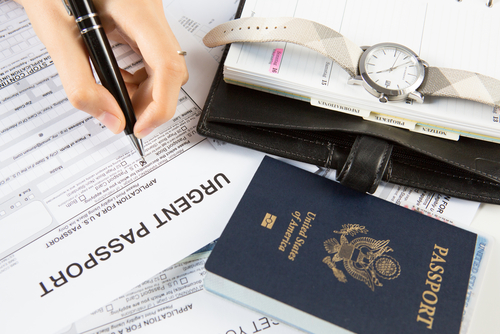
Sometimes a situation arises where you only look at your passport right before you leave for your trip. It is only then that you realize that you don’t have any empty pages in your passport and you need to add some pages as soon as possible. In these cases, you have a couple of options.

Your first option is going to an embassy or consulate and telling them about your situation. For instance, if you are traveling to Spain, you would go to the U.S. Embassy, explain what happened, and request an emergency passport. The embassy or consulate will usually allow this because it is not a serious security issue to grant you an emergency passport.

The downside of being in this kind of emergency is that unlike getting a renewal ahead of time, the emergency passport will cost you as much as a regular passport along with the processing fees. Also, the emergency passport will only last you one year with a lot less blank pages than an ordinary passport since it should not substitute your original passport.

Part of being a good traveler is being as responsible as possible before, during, and after your traveling. Things such as having blank pages in your passport might not seem like a big deal until you realize that not having blank pages can cost you your trip.

Maintaining consistency while planning your trip and not forgetting any steps in that plan will ensure that your trip abroad will go just the way you intended it to go.